What to Pack for an African Safari in Kenya & Tanzania
By Polmans Holiday
Planning a safari across Kenya and Tanzania is an exciting adventure—but packing incorrectly can quickly affect your comfort and overall experience. From early morning game drives in the Maasai Mara National Reserve to long days exploring the Serengeti National Park, having the right gear is essential.
This detailed packing guide by Polmans Holiday ensures you’re fully prepared for a seamless safari experience.
1. Safari Clothing Essentials
Safari days can be hot and dusty, while mornings and evenings can be surprisingly cold.
What to Pack:
-
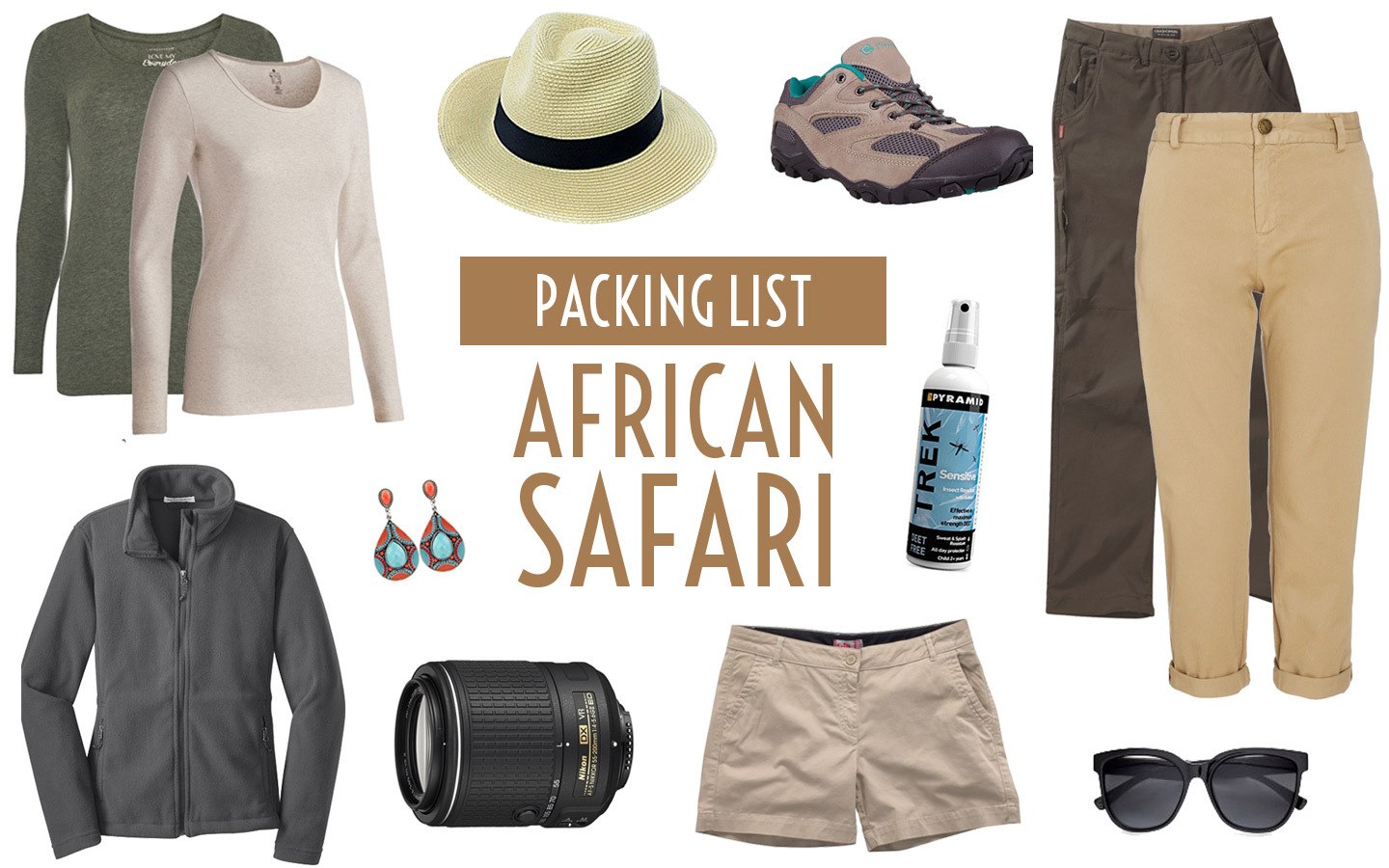
Lightweight, breathable shirts (neutral colors like khaki, beige, olive)
-
Long-sleeve shirts for sun and insect protection
-
Comfortable trousers or safari pants
-
Shorts (for lodge relaxation)
-
Light fleece or jacket (for early game drives)
-
Waterproof jacket (especially during rainy seasons)
Avoid: Bright colors, camouflage (restricted in some areas), and dark blue/black (attracts insects).
2. Footwear for Safari Comfort
-
Comfortable walking shoes or hiking boots
-
Sandals or flip-flops for lodges
-
Moisture-wicking socks
You’ll spend a lot of time in vehicles, but good footwear is still important for walking safaris and camp movements.
3. Essential Safari Gear
-
Wide-brim hat or cap
-
Sunglasses (UV protection)
-
High SPF sunscreen
-
Insect repellent
-
Reusable water bottle
For wildlife viewing:
-
Binoculars (highly recommended for spotting distant animals)
-
Camera with zoom lens (200mm+)
4. Luggage Tips for East Africa Safaris
Many safaris—especially those involving small aircraft—have strict luggage limits.
Recommended:
-
Soft-sided duffel bag (not hard suitcases)
-
Weight limit: typically 15–20 kg including carry-on
Tip: Pack light and prioritize essentials.
5. Health & Personal Items
-
Personal medications
-
Basic first aid kit
-
Hand sanitizer and wet wipes
-
Travel-size toiletries
Optional but useful:
-
Anti-malarial medication (consult your doctor)
-
Electrolyte packets for hydration
6. Tech & Travel Accessories
-
Power bank
-
Universal travel adapter (UK-type plugs common in East Africa)
-
Extra camera batteries and memory cards
-
Flashlight or headlamp
7. Documents & Money
-
Passport (valid for at least 6 months)
-
Visa documents (if required)
-
Travel insurance
-
Copies of important documents
-
Some cash in USD for tips and small purchases
8. Optional but Recommended Items
-
Lightweight scarf or buff (dust protection)
-
Notebook or travel journal
-
Swimsuit (many lodges have pools)
-
Small backpack for daily use
9. What NOT to Pack
-
Heavy luggage
-
Expensive jewelry
-
Too many clothes (laundry is often available in lodges)
-
Plastic bags (restricted in Kenya)
10. Packing for Different Safari Seasons
Dry Season (June – October)
-
Light clothing + warm layers for mornings
Green Season (November – May)
-
Waterproof jacket
-
Quick-dry clothing
-
Extra insect protection
Final Thoughts
Packing smart is the key to enjoying your safari without stress. Focus on comfort, practicality, and light travel. Whether you’re exploring the plains of the Maasai Mara or witnessing the Great Migration in the Serengeti, being well-prepared enhances every moment.
With Polmans Holiday, your safari isn’t just a trip—it’s a carefully crafted experience.